Use this step-by-step playbook and set of 28 premium tools and templates to develop an approach to agency selection, management and evaluation.
Modern marketing organizations depend on agencies more than ever before. Whether you are working with a creative firm, digital agency, branding partner, or integrated marketing team, the success of your campaigns depends heavily on your ability to define expectations, manage performance, and maintain a productive relationship. Yet most companies struggle with this discipline. They navigate agency partnerships informally, lack structure across the lifecycle, and often rely on verbal agreements or inconsistent evaluation criteria.
The result is predictable: misalignment, wasted budget, lack of accountability, and strained relationships.
Demand Metric’s Agency Management Playbook & Toolkit provides a complete, end-to-end methodology to solve these challenges. It guides marketing teams through a structured process from planning and selection through communication, performance management, and transition. The playbook breaks the entire lifecycle down into six stages: Plan, Research, Select, Communicate, Manage, and Transition . Each stage includes detailed steps, action items, and access to templates, scorecards, checklists, RFP guides, agreements, and reporting tools.
This article provides a deep, comprehensive walkthrough of the playbook, explaining:
Agencies are extensions of your marketing team. They handle creative development, media planning, campaign execution, branding, content, analytics, and more. But without structure, agency relationships quickly drift into misalignment.
The Playbook is designed to help organizations:
According to the playbook’s introduction, its purpose is to guide teams through evaluating performance, selecting the right agency, and managing the relationship effectively .
The framework is practical, tactical, and built around best practices used by top marketing organizations worldwide.
The playbook organizes all tools and processes into six stages, each with its own color-coded toolkit (page 3). The framework visually maps every template and resource you will use at each stage, including:
This structure makes the process intuitive, repeatable, and easy for any marketing team to adopt.
The first stage is about getting organized, defining expectations, and building internal alignment. The Playbook recommends:
Using the Project Charter Template, teams outline:
This ensures that everyone has a shared understanding of priorities and authority before the search begins. The charter helps eliminate ambiguity and prevent miscommunication later in the process .
Next, teams use the Marketing Strategy Scorecard to define:
This creates clarity on what the future agency must achieve and helps narrow the search to partners who align with your needs.
Teams then estimate the cost of agency selection, including:
These items are planned using the Marketing Budget Template.
Budget clarity is essential to evaluate proposals and negotiate fair compensation later (page 8).
Once goals are clear, the next step is to gather information about potential agency partners.
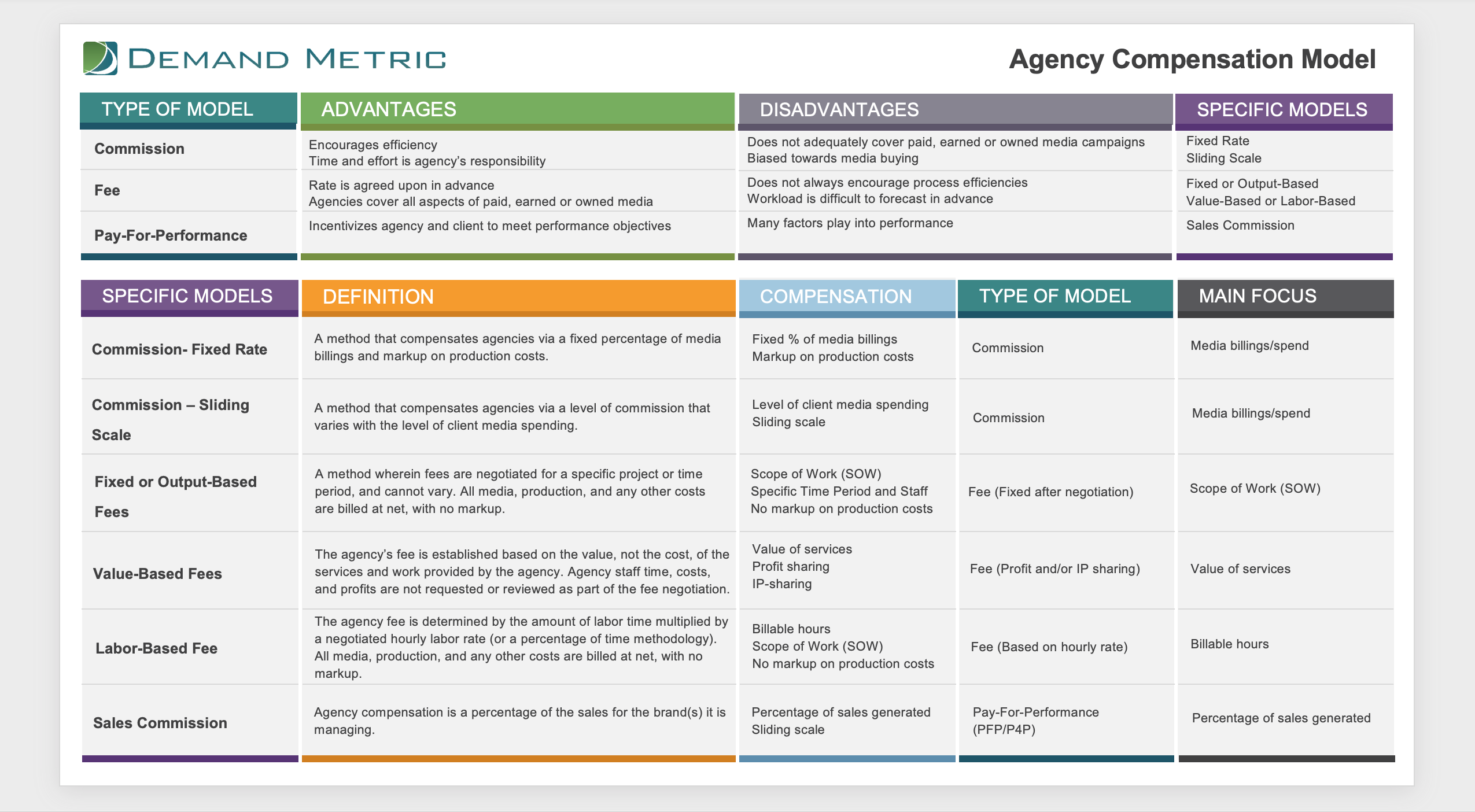
Compensation structure shapes the entire relationship. The Playbook’s Agency Compensation Model helps teams compare:
Each model has different implications for transparency, incentives, and accountability (page 10). Teams should choose the model that aligns best with their objectives and internal processes.
The Ad Agency Request for Information (RFI) Template allows organizations to collect:
This step builds a consistent understanding of each agency’s expertise before interviews (page 10).
Before sharing confidential information, teams should use:
These ensure safety when exchanging strategy details, brand documents, or customer data (page 11).
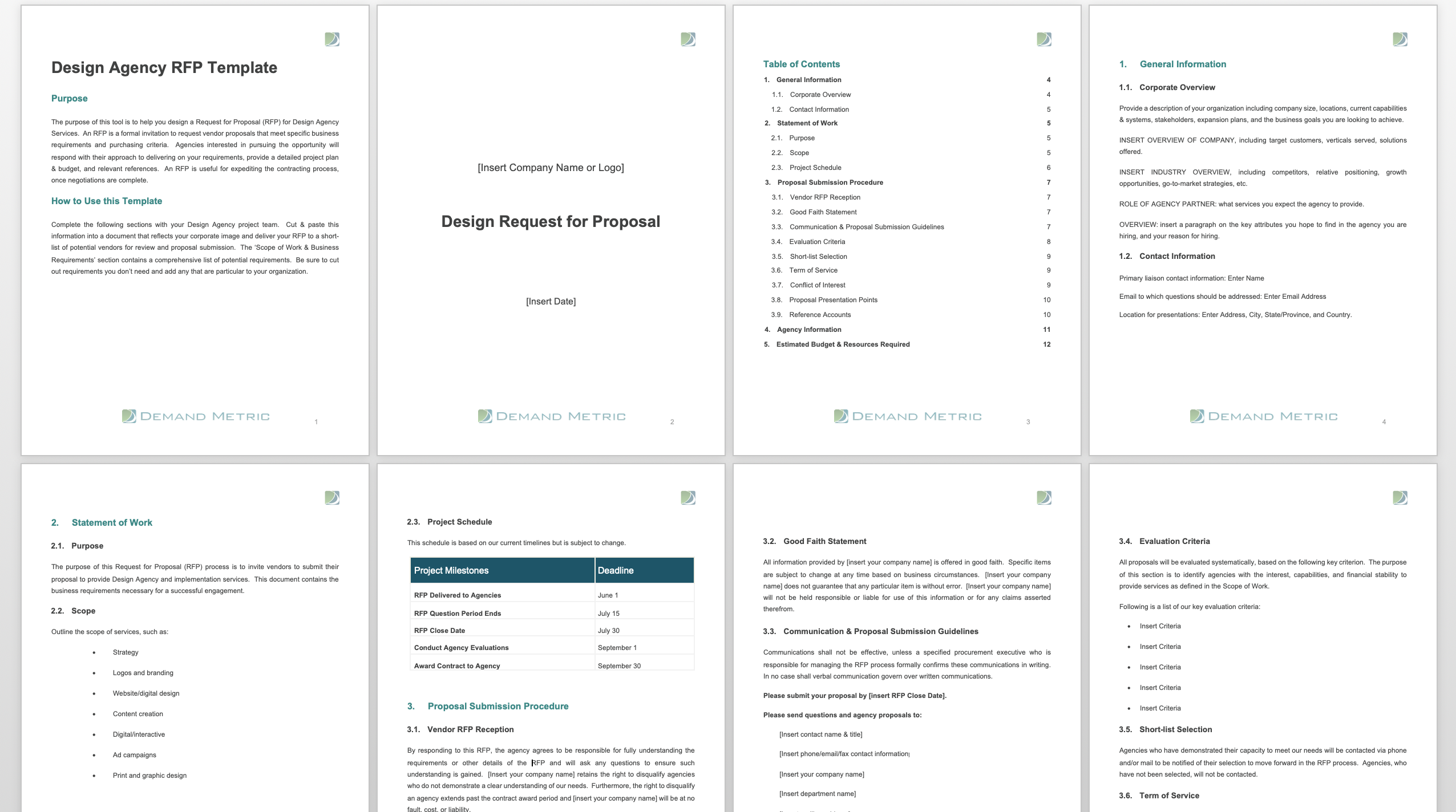
The Playbook includes a general Ad Agency RFP Template with sections for:
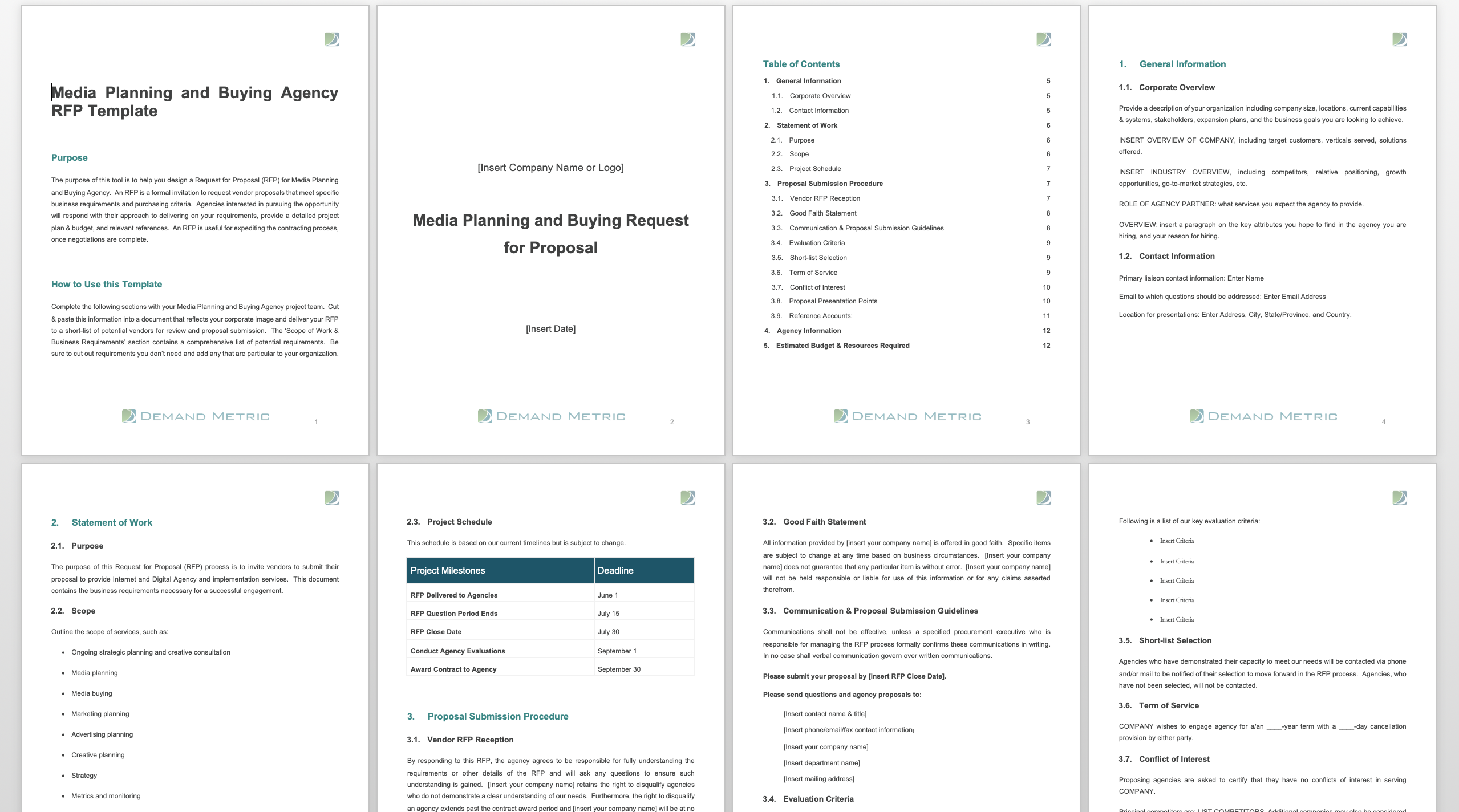
It also references specialized RFPs for design, digital, PR, branding, and other agency types (page 11).
A strong RFP sets expectations, filters unqualified vendors, and ensures consistent evaluation.
Selection requires a combination of structured evaluation, comparison, and contract alignment. This stage includes six steps.
The Agency Selection Tool scores each agency on:
This helps teams make decisions based on consistent scoring criteria instead of emotional impressions (page 13).
The Consultant Evaluation Matrix provides a similar process for evaluating individual consultants or specialized resources (page 13).
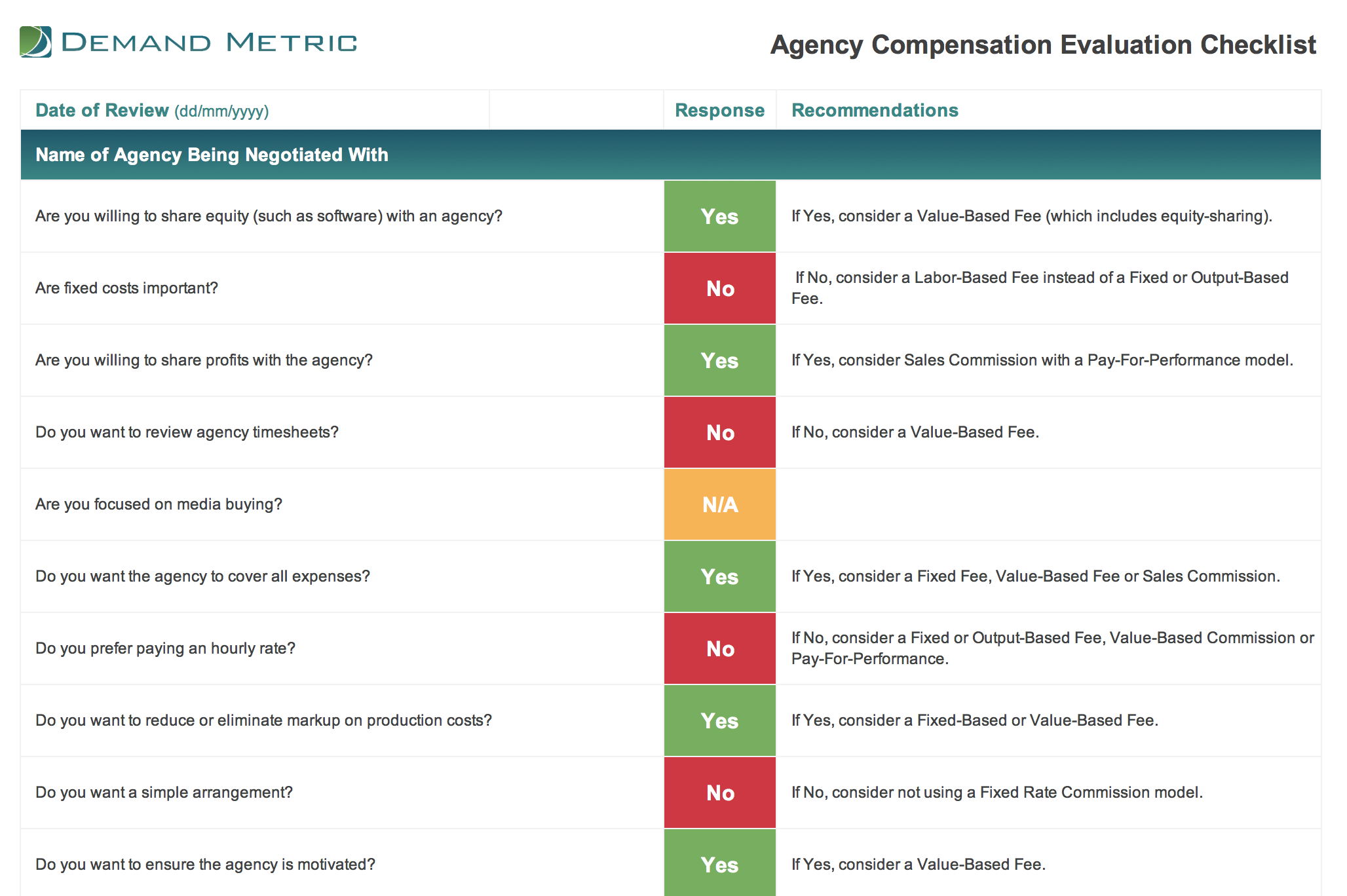
Using the Compensation Evaluation Tool, teams assess which model supports goals while maintaining fairness and feasibility (page 14).
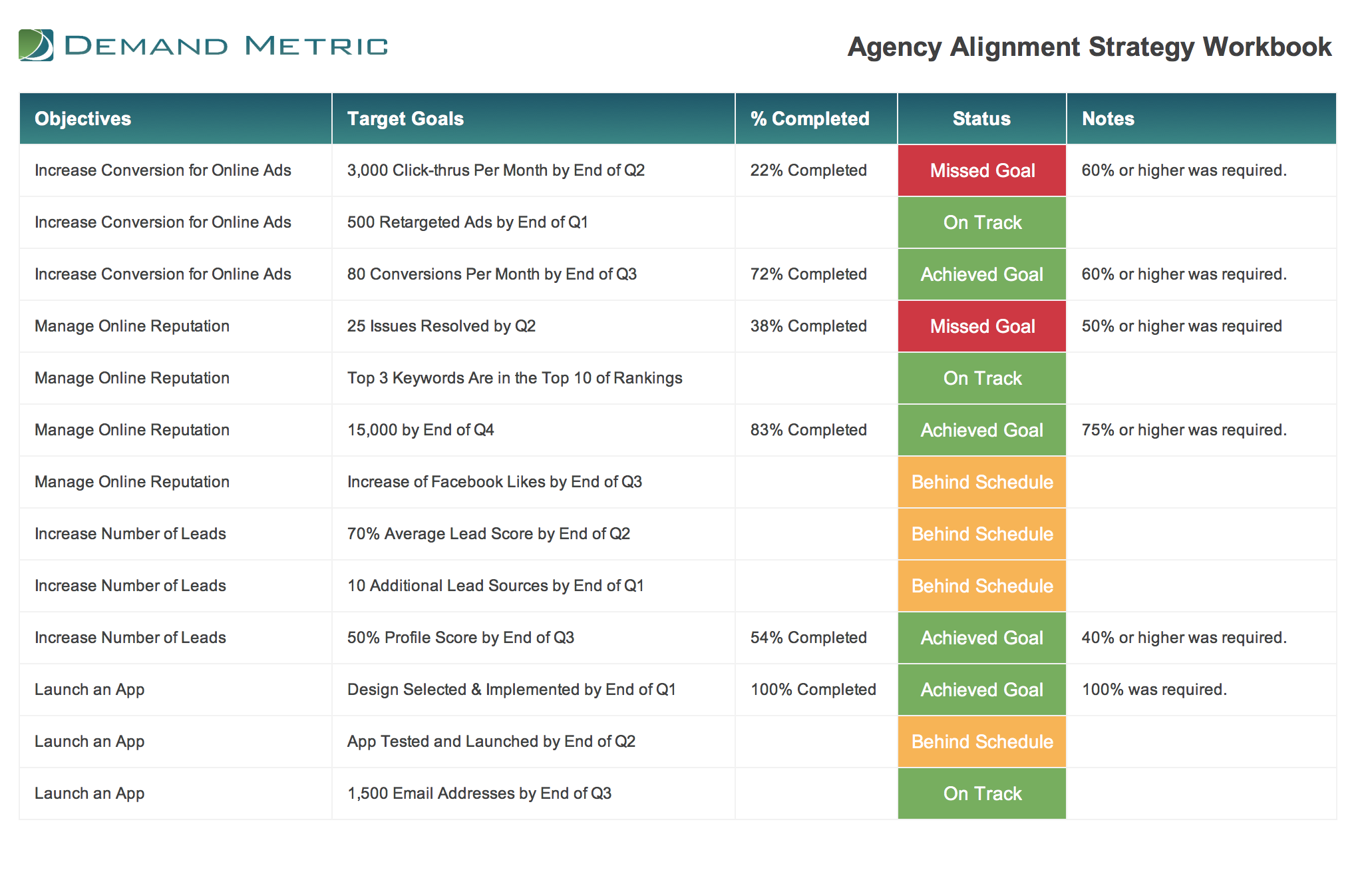
The Agency Alignment Strategy Workbook helps teams clarify:
Alignment prevents miscommunication and scope conflict later (page 14).
The playbook includes a detailed Ad Agency Agreement Template that spells out:
Clear documentation sets the foundation for a strong partnership (page 15).
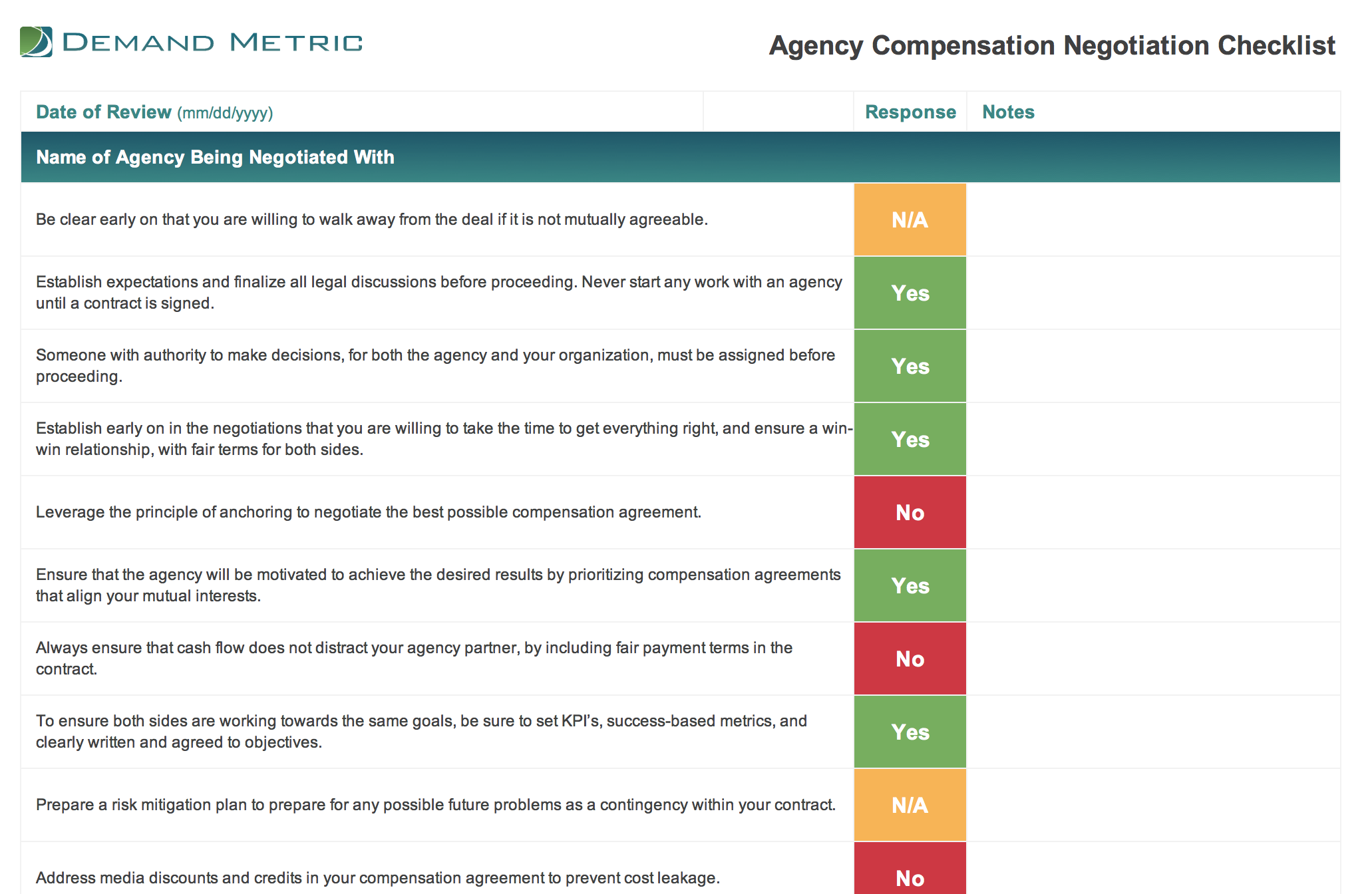
Negotiation is simplified using the Agency Compensation Negotiation Checklist, ensuring teams address:
This checklist ensures a fair, mutually beneficial deal (page 15).
Once the agreement is signed, it’s time to start working together. Communication is critical.
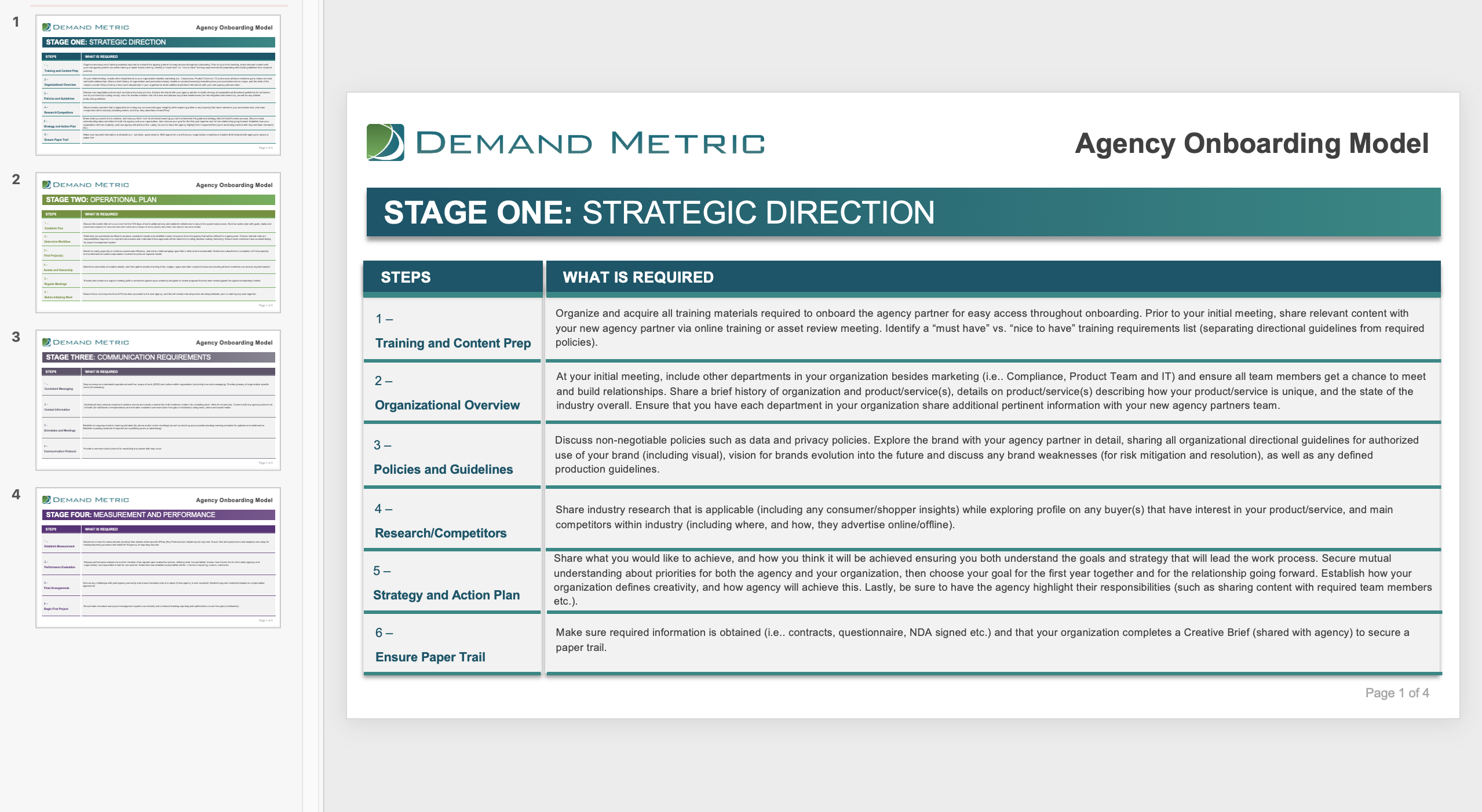
The Agency Onboarding Model outlines best practices for:
This creates a smooth start (page 17).
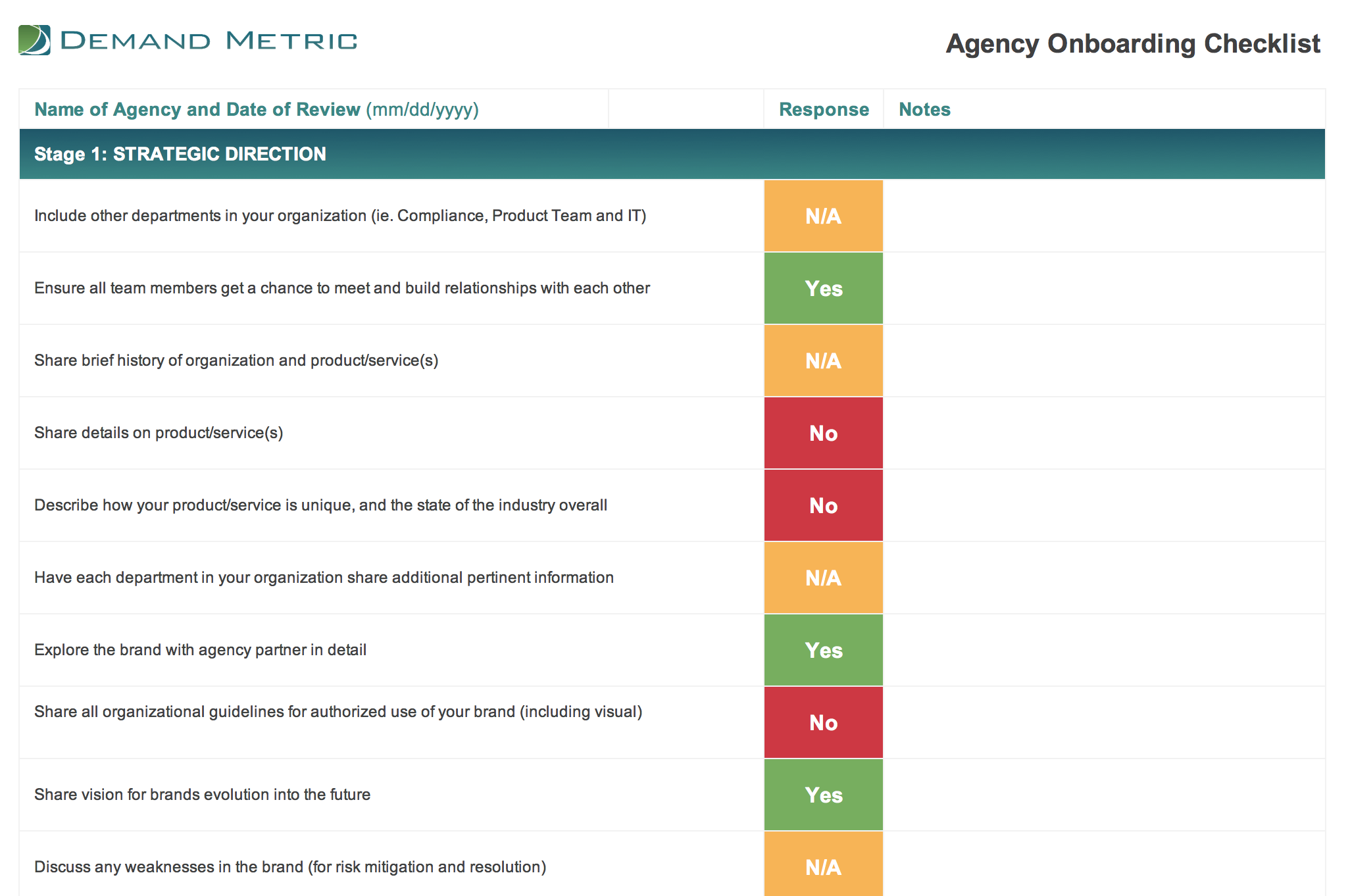
The Agency Onboarding Checklist ensures nothing falls through the cracks. It includes:
Smooth onboarding prevents misalignment and missed deadlines later.
Using the Creative Strategy Survey Tool, teams share detailed background information including:
This is especially important for creative agencies (page 18).
The Creative Brief Template provides structure for communicating:
This ensures creative teams understand what success looks like before they begin (page 18).
Managing the agency relationship requires consistent structure and accountability.
The Project Management Template helps teams track:
This provides clarity and prevents delays (page 20).
The Project Status Report Template captures:
This keeps executives aligned without requiring deep review of every detail (page 20).
The robust Agency Performance Review covers:
This annual review ensures accountability and clarity around expectations (page 21).
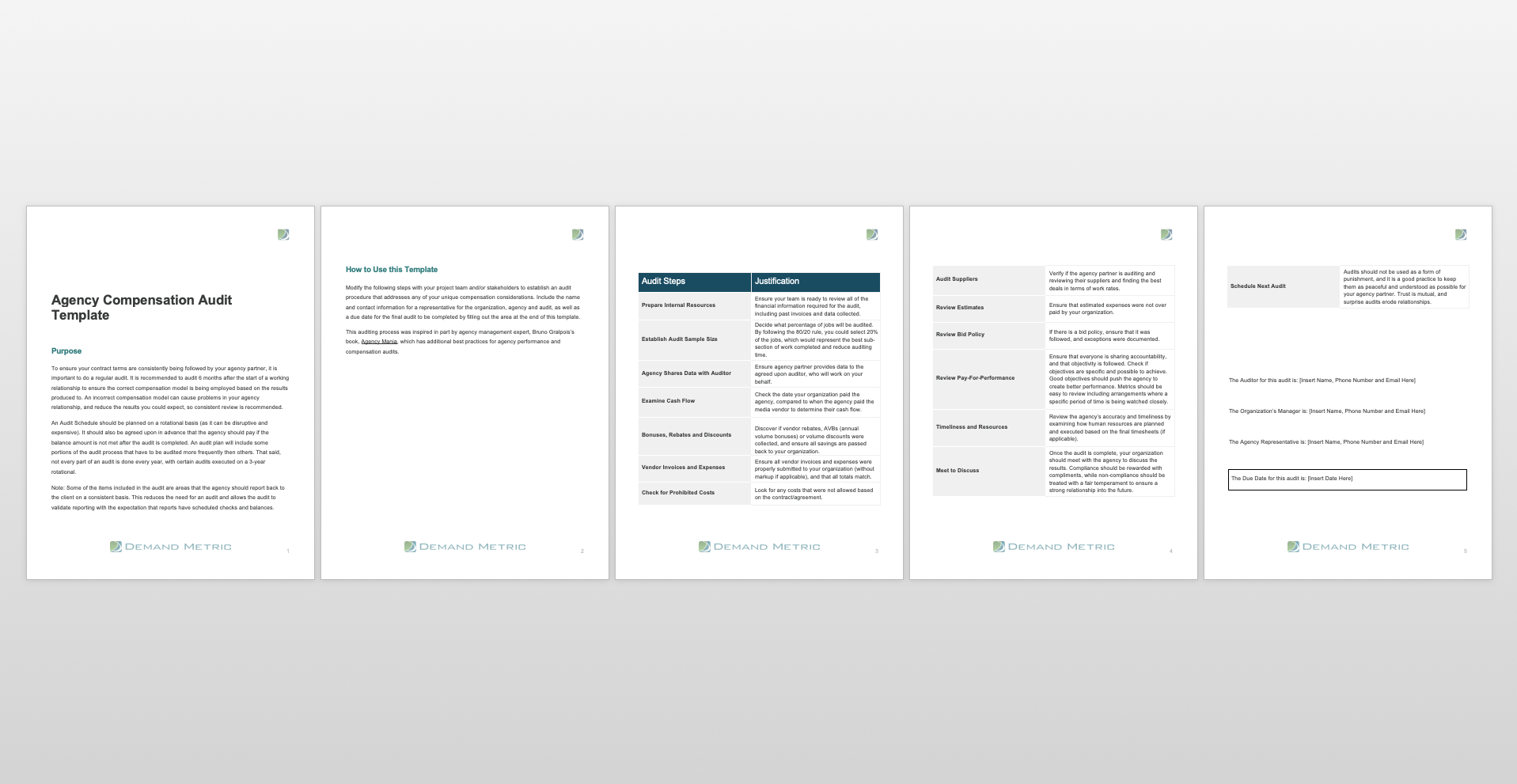
The Agency Compensation Audit Template helps teams revisit compensation semi-annually to ensure:
Misaligned compensation is a major reason agency relationships fail (page 21).
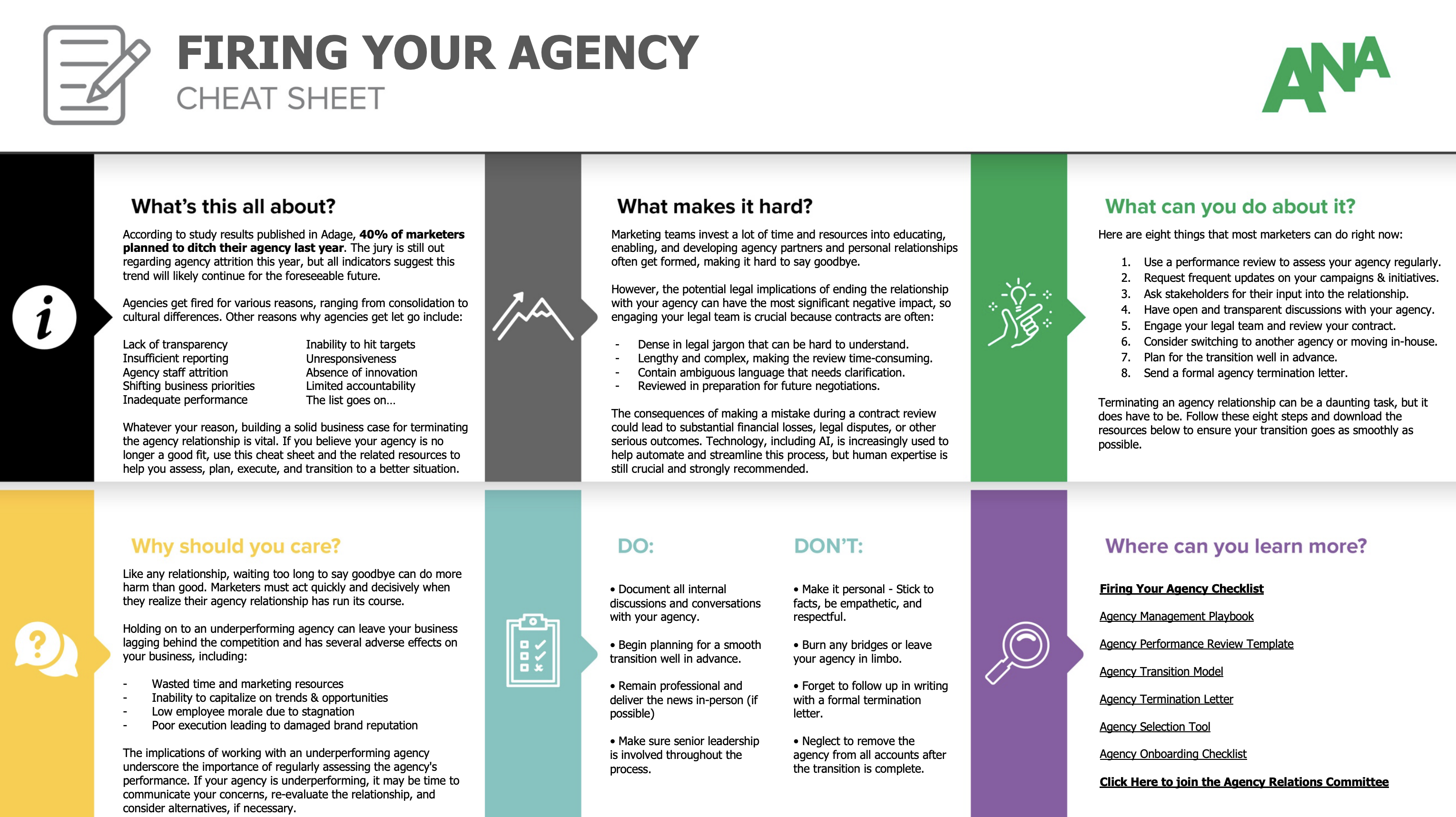
Not all agency relationships last. When change is necessary, the Playbook provides clear guidance.
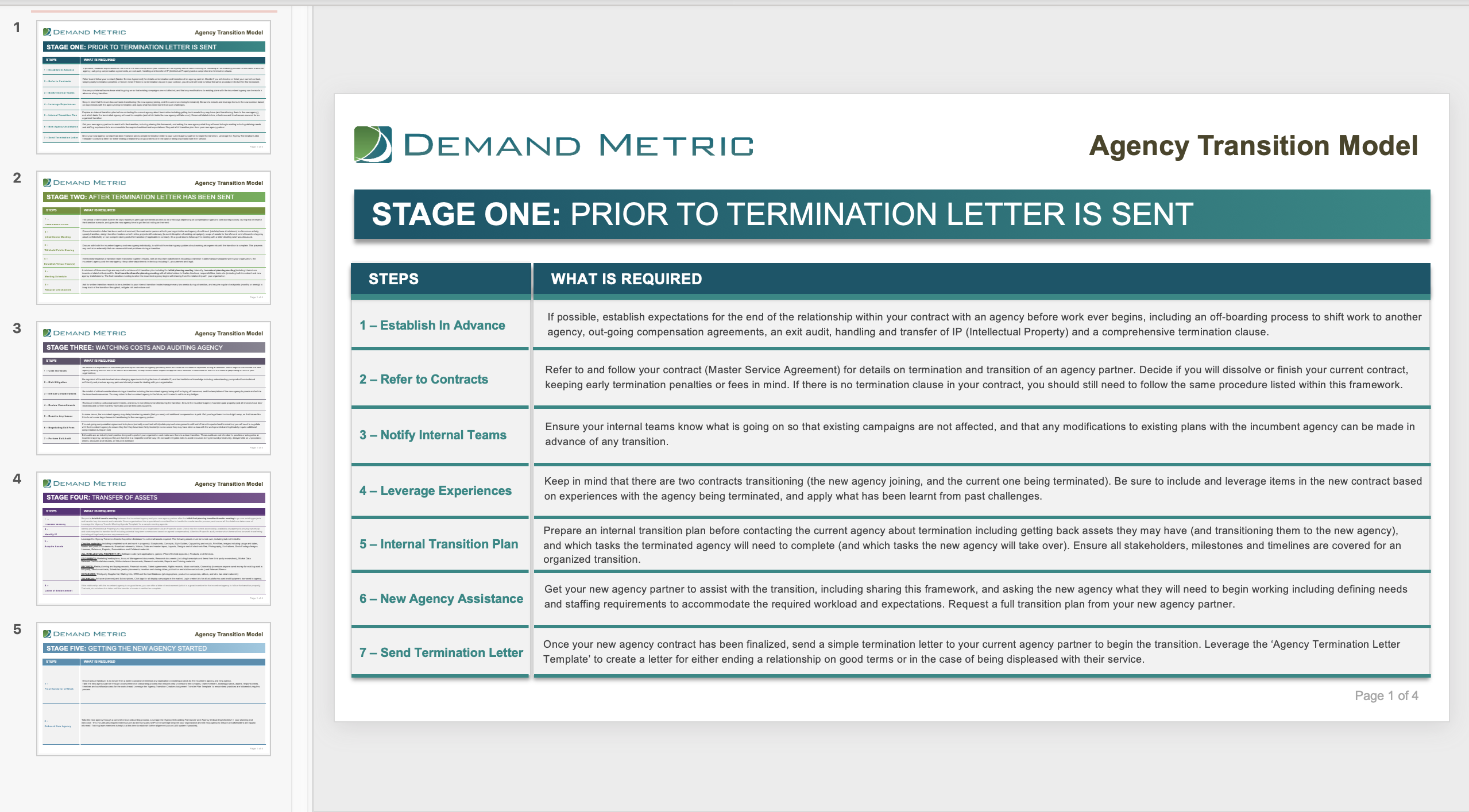
The Agency Transition Model outlines best practices for:
This ensures a graceful transition with minimal disruption (page 23).
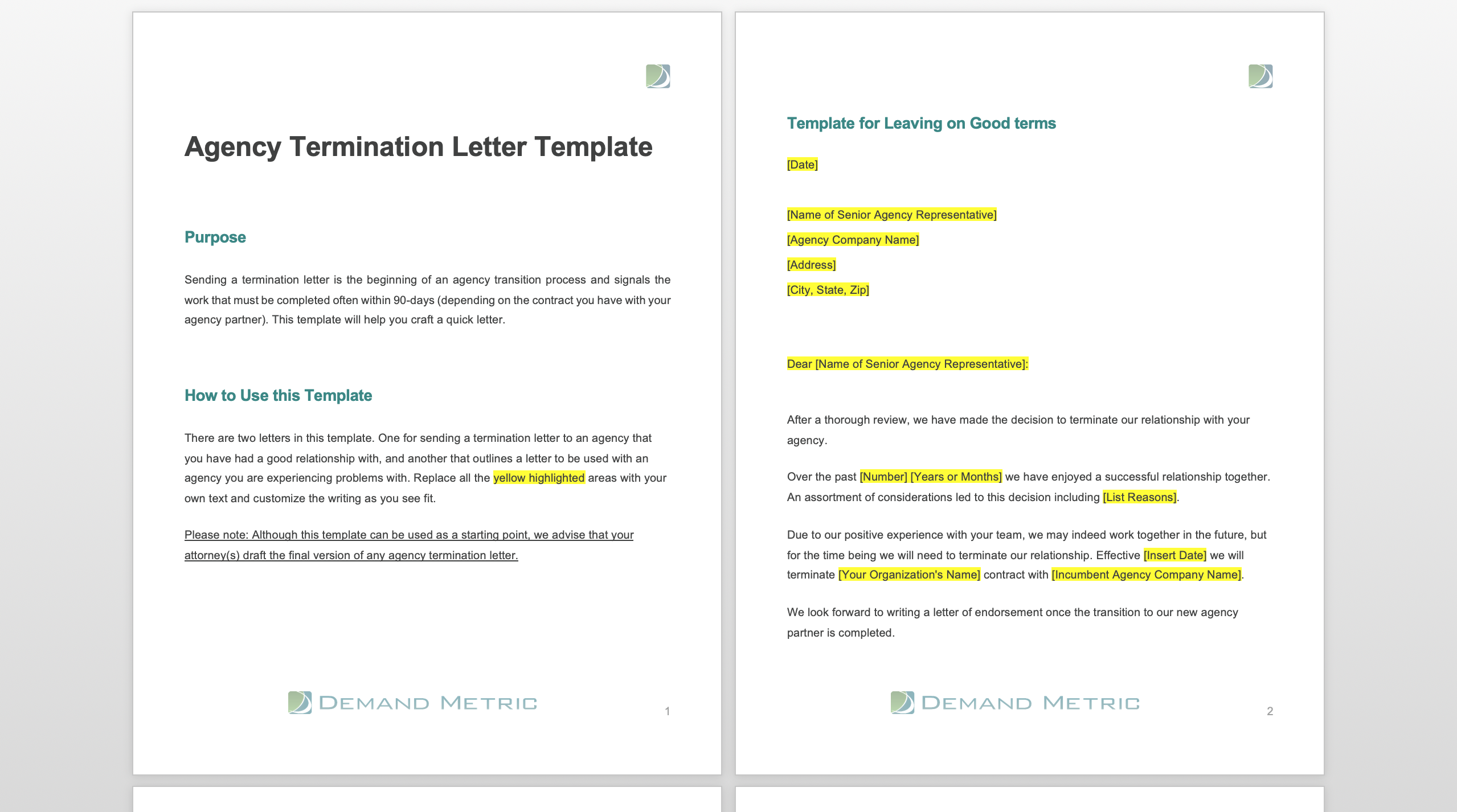
The Agency Transition Termination Letter provides structure for:
This formal step starts the transfer process.
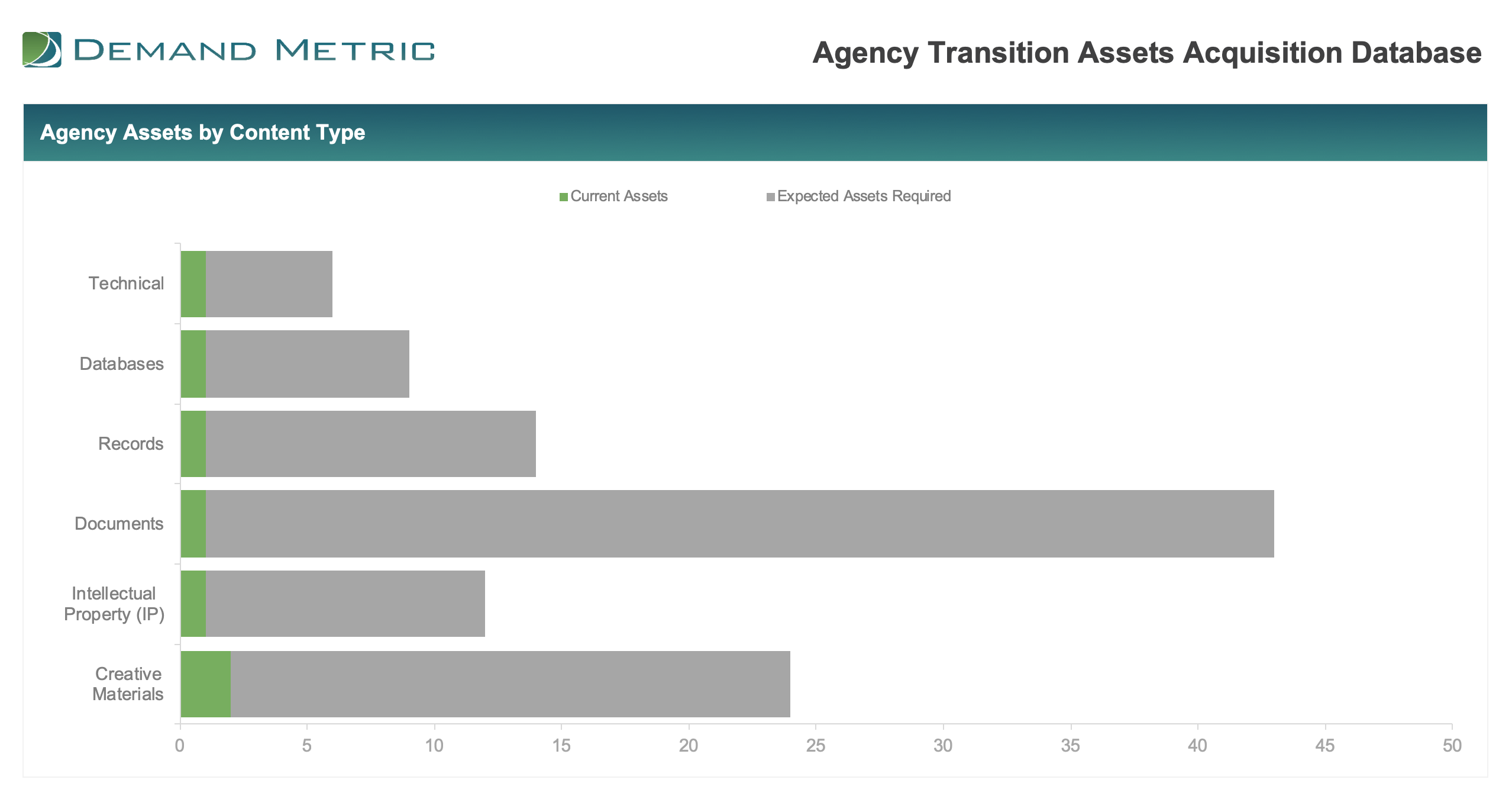
Using the Agency Transition Asset Acquisition Database, teams collect:
This protects the organization from future loss or delays (page 24).
The Transition Meeting Agenda ensures both agencies coordinate:
Leading the meeting ensures accountability (page 24).
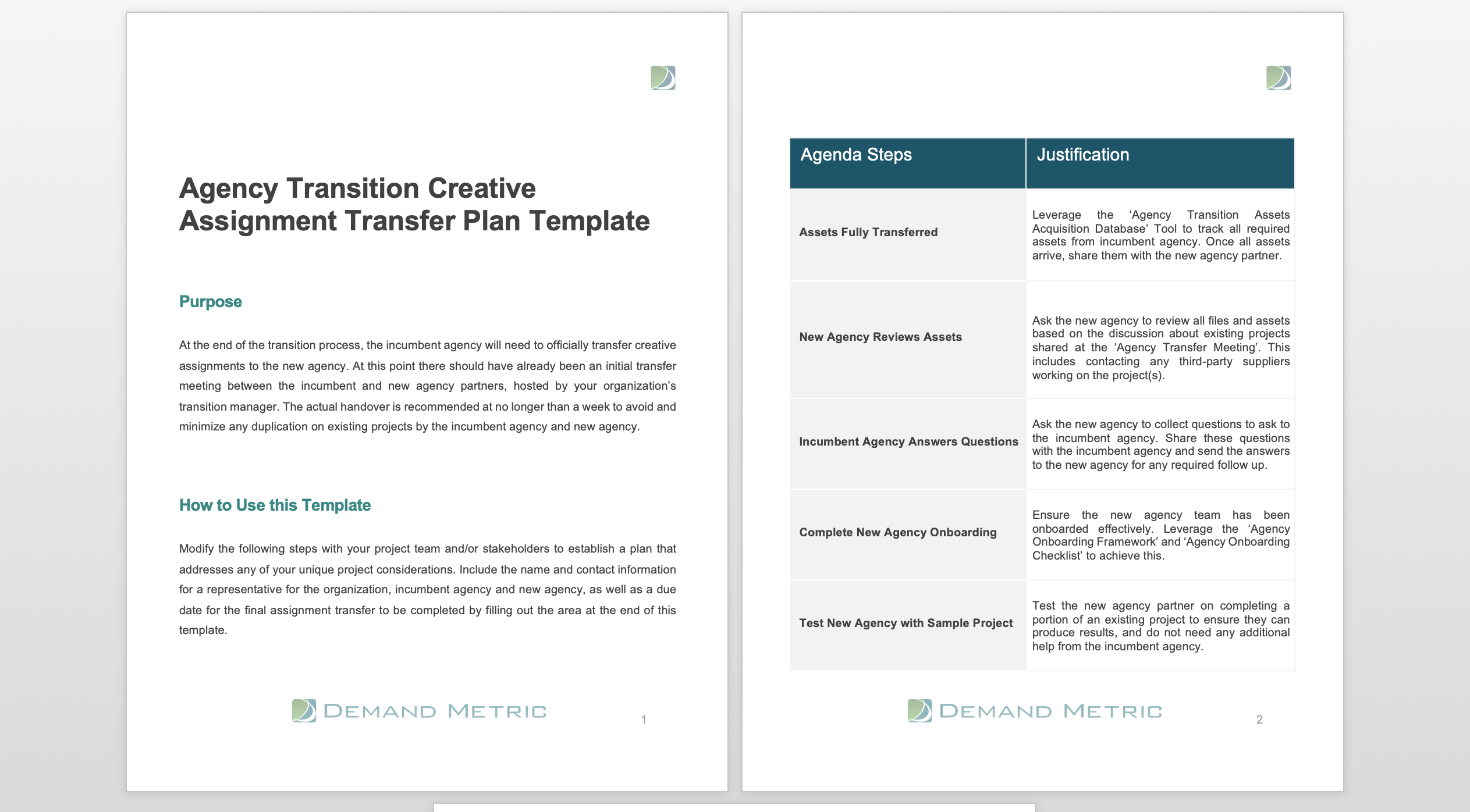
The Assignment Transfer Plan helps transfer current work in progress:
This ensures continuity and minimizes disruption (page 25).
The Playbook is designed to be actionable. Here is how organizations can get the most out of it:
Use the Playbook to build a standardized process that your team follows every time:
This consistency saves time and reduces risk.
Make individuals accountable:
Clear roles ensure predictable execution.
These tools should not live in a binder. They should be integrated into:
Because each template includes structured fields and criteria, the playbook supports modern governance:
Many agency conflicts arise not from poor performance, but from unclear expectations.
The Playbook eliminates ambiguity by:
If a partnership ends, the transition tools ensure:
This protects the organization’s brand, timelines, and budget.
The Agency Management Playbook & Toolkit is a comprehensive, end-to-end system that empowers marketing leaders to build healthy, productive, and high-performance agency partnerships.
It provides structure where organizations often operate informally and fills the gaps that cause misalignment, wasted budget, stalled execution, and inconsistent results.
By following the six stages—Plan, Research, Select, Communicate, Manage, Transition—marketing teams can:
The Playbook is not simply a collection of templates; it is a management system designed to streamline the entire agency lifecycle from start to finish.
For marketing organizations seeking to operate with more professionalism, rigor, and predictability, this Playbook provides everything needed to run agency relationships like a world-class operation.
Use this step-by-step playbook and set of 28 premium tools and templates to develop an approach to agency selection, management and evaluation.