This How-To Guide shows marketing leaders exactly how to evaluate, communicate, and transition away from an underperforming agency through a structured, professional, and low-risk process.
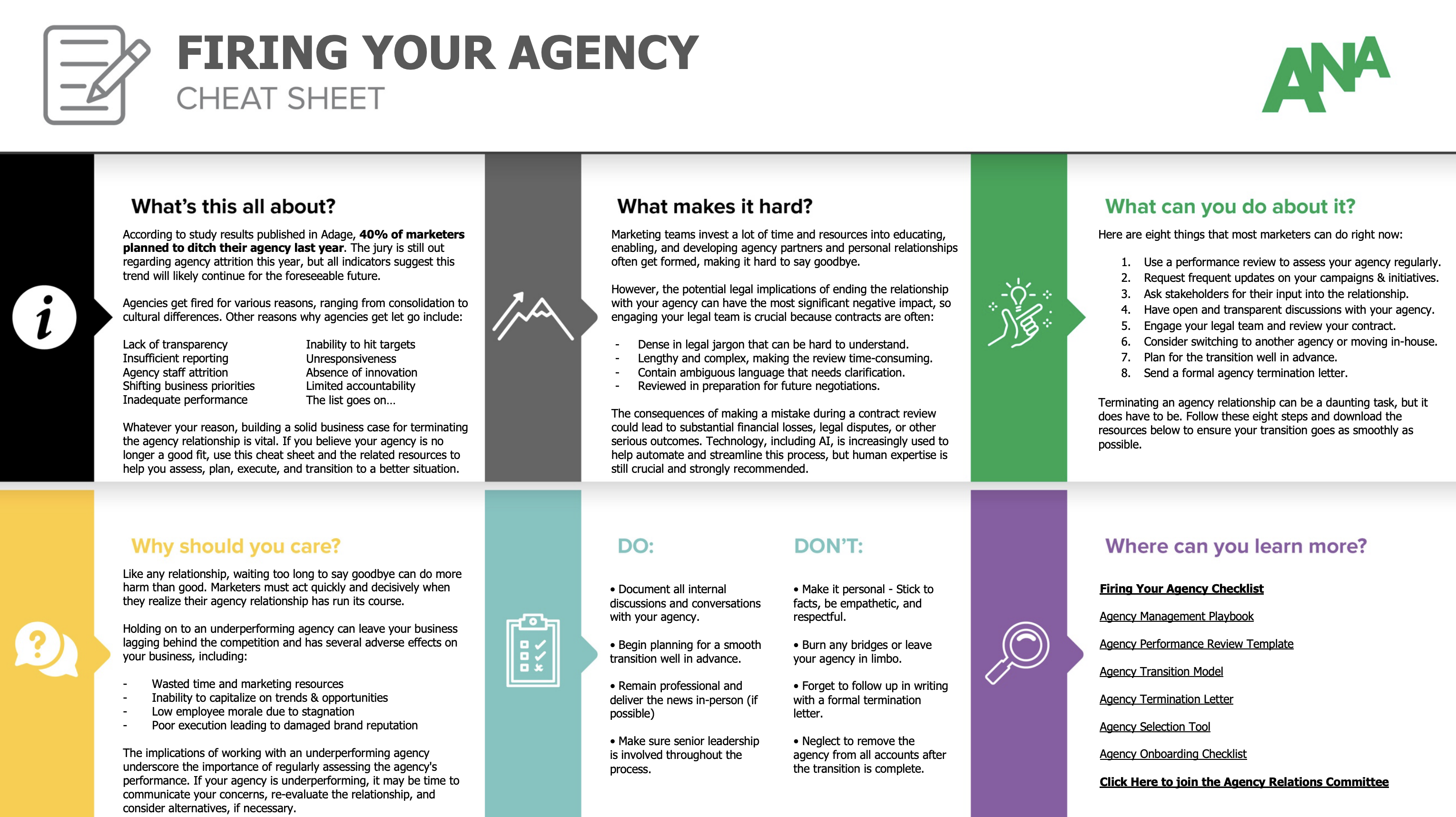
Ending a relationship with your marketing agency is one of the most difficult decisions a marketing leader can make. After months or years of collaboration, shared wins, and personal relationships, the breakup can feel emotional, uncomfortable, and risky. Yet agency partnerships do not last forever. Performance can decline, priorities can shift, budgets can tighten, or new capabilities may be required. Holding on too long can cause wasted spend, missed opportunities, stalled execution, frustrated teams, and preventable brand damage.
This guide provides a structured process for firing an agency cleanly, professionally, and with minimal disruption using proven best practices from the Firing Your Agency Cheat Sheet and the Agency Management Playbook.
There are three core reasons firing an agency is so challenging. The first is emotional friction because teams often grow attached to agency partners. Familiarity develops and even when results decline, discomfort and hesitation can delay necessary action. The second is legal risk because agency contracts are often long, complex, and filled with vague or restrictive language related to notice periods, penalties, or intellectual property.
A poorly handled termination can result in unnecessary costs or liability. The third is operational risk because agencies manage creative assets, advertising accounts, platforms, permissions, strategy documents, and active projects. Ending the relationship without a transition plan can severely disrupt momentum.
Because of these challenges, firing an agency must be treated as a process rather than a moment. The first step is to objectively assess performance. This includes reviewing transparency, reporting quality, responsiveness, strategic thinking, innovation, and the agency’s ability to meet targets. A structured Agency Performance Review helps analyze accomplishments, obstacles, strengths, opportunities, KPIs, and development needs so the evaluation is fair and well documented.
The next step is to gather internal feedback from teams who rely on the agency. This includes marketing, sales, product, customer experience, operations, and leadership. Ask whether the agency is responsive, whether deadlines are consistently met, whether deliverables are strong, how well they support team needs, and what gaps exist. Recurring themes reveal structural issues that help build internal alignment.
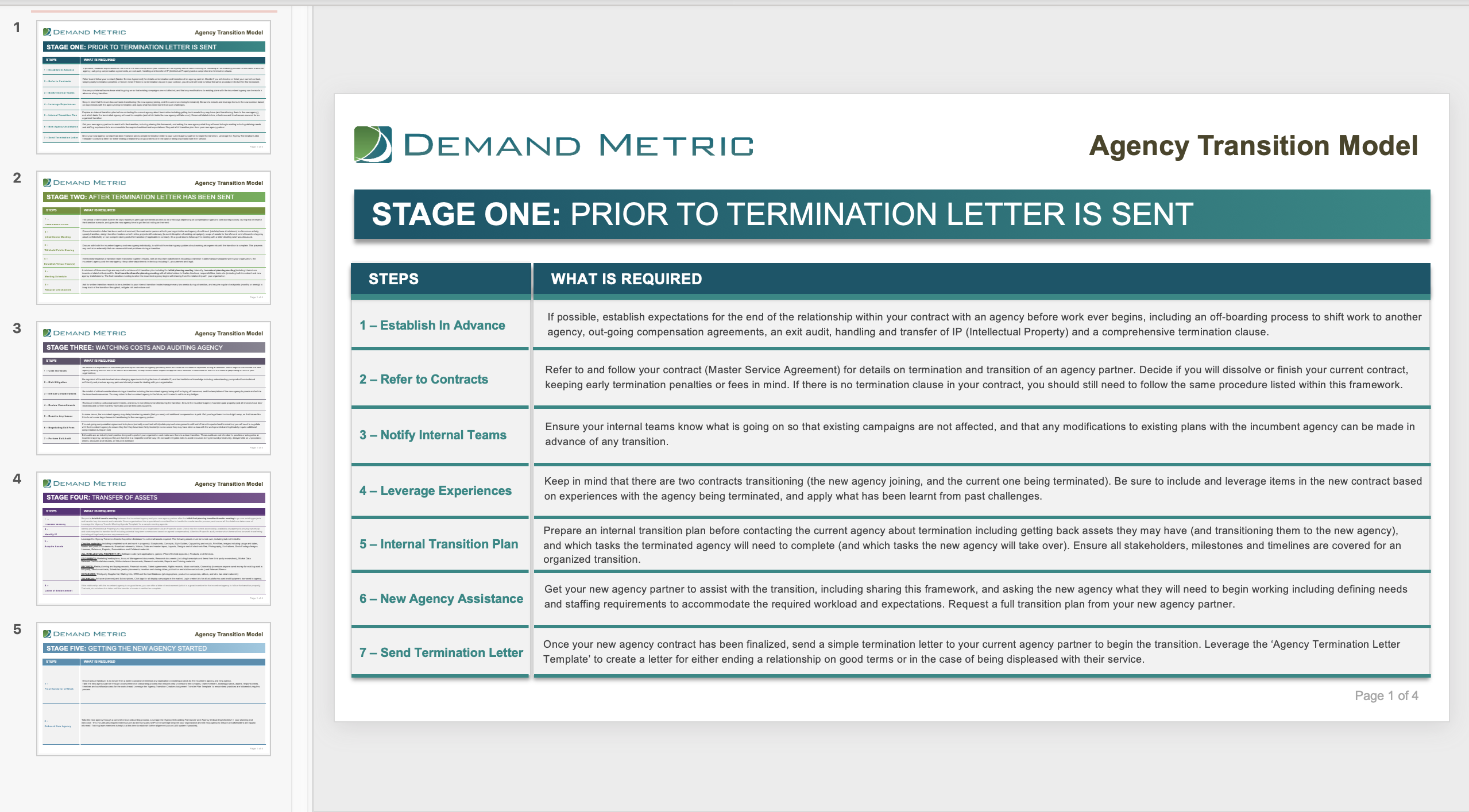
Before making a final decision, assess the legal, financial, and operational risks. Review the contract with legal counsel to understand termination clauses, fees, IP ownership, and obligations. Identify the costs of switching agencies and the operational impact of transition. Review project status, dependencies, and active deliverables to ensure a smooth handoff. Tools such as the Agency Transition Model, the Agency Compensation Audit, and the Project Status Report support this review.
Before ending the relationship, have an honest conversation with the agency. Share your performance assessment, internal feedback, and specific expectations that are not being met. Ask whether improvements can be made in communication, staffing, processes, or reporting. Sometimes misalignment can be corrected. If not, this conversation ensures professionalism and strengthens your documentation.
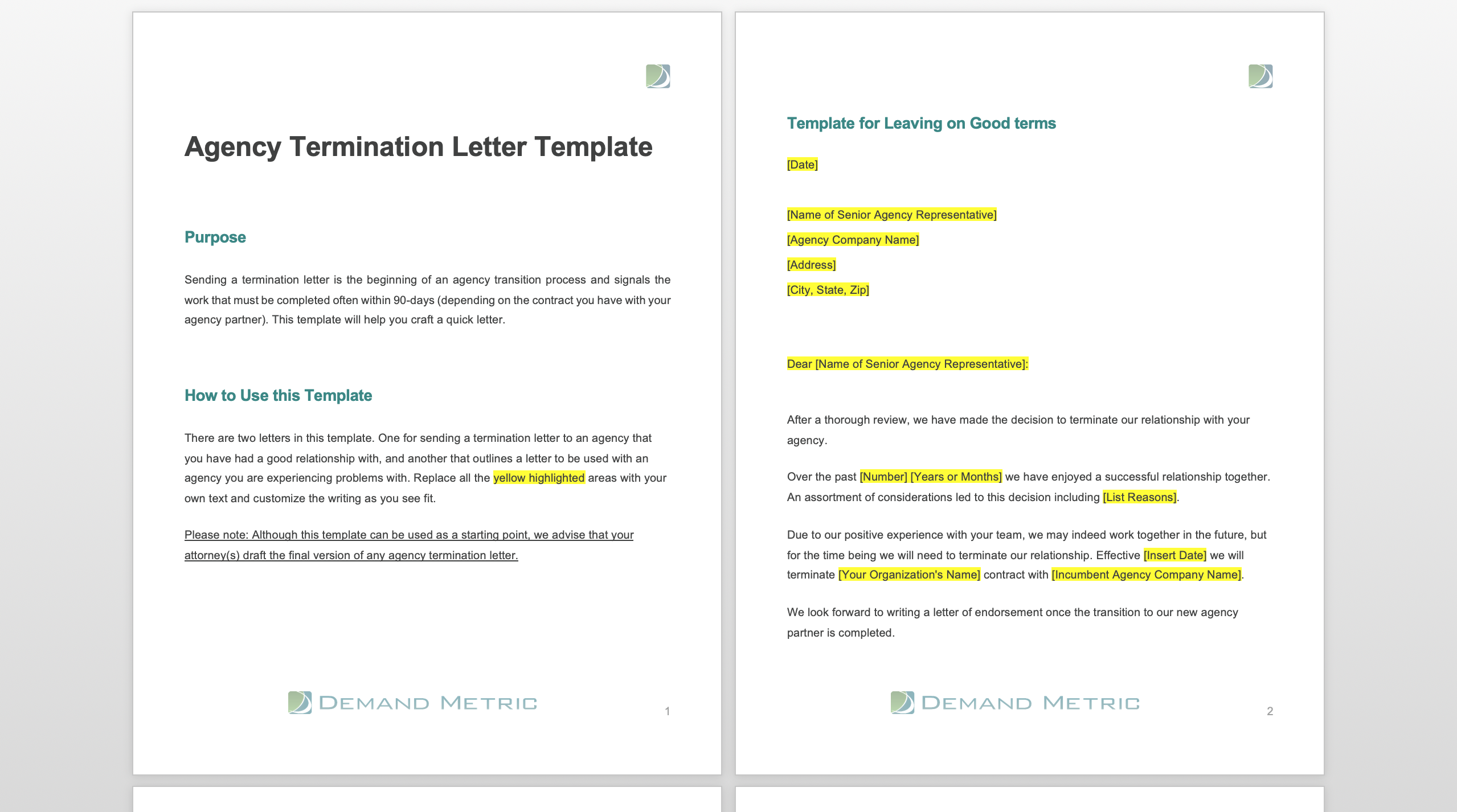
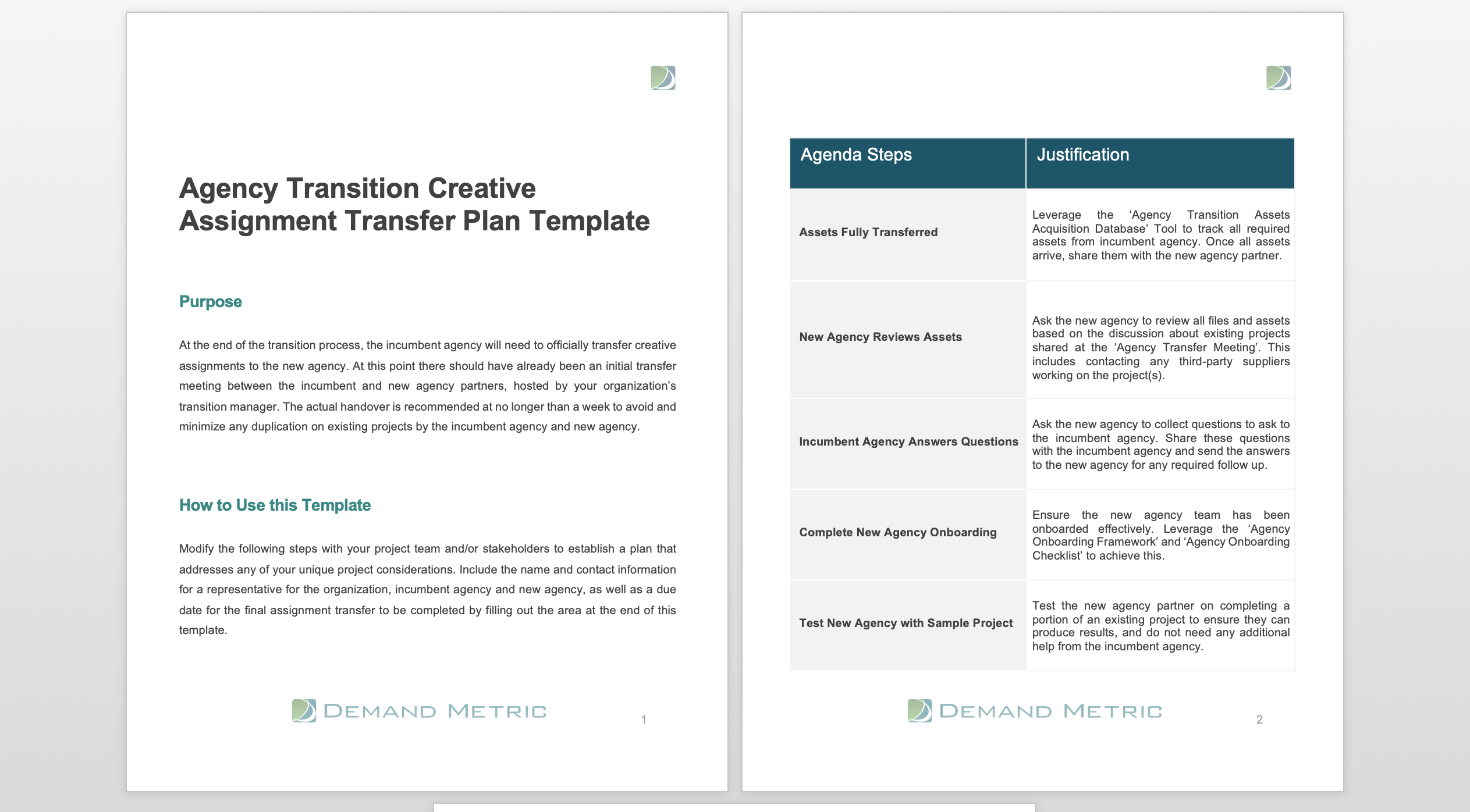
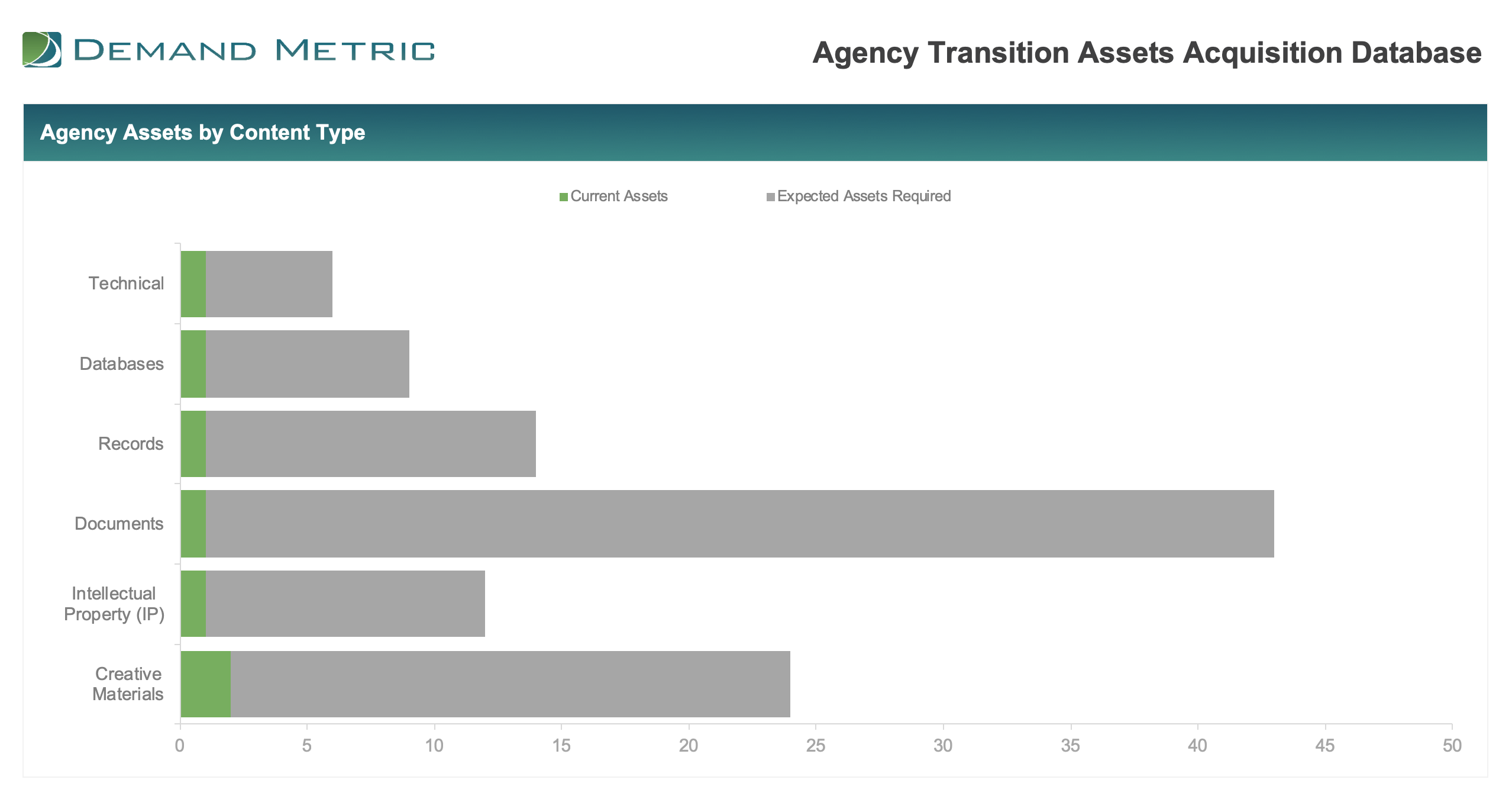
When termination becomes necessary, prepare thoroughly. Use the Agency Transition Termination Letter to formally end the engagement. Use the Agency Transition Assets Database to track and collect all creative files, accounts, permissions, and assets. Review active projects, schedule a transition meeting using the Agency Transfer Meeting Agenda, and hand off creative work through the Creative Assignment Transfer Plan. Deliver the news respectfully and clearly. After notifying the agency, run the transition meeting, collect all assets, transfer open projects, remove system access, and close out billing and obligations.
Finally, debrief internally. Identify what worked, what did not, and how to improve your onboarding, performance monitoring, and agency management processes moving forward. Handled correctly, firing your agency is not a setback. It is a strategic decision that protects your resources, restores momentum, and positions your next agency partnership for success.
To access the full step by step instructions, tools, templates, and checklists that support each stage of this process, download the complete How-To Guide: How to Fire Your Marketing Agency.
This How-To Guide shows marketing leaders exactly how to evaluate, communicate, and transition away from an underperforming agency through a structured, professional, and low-risk process.